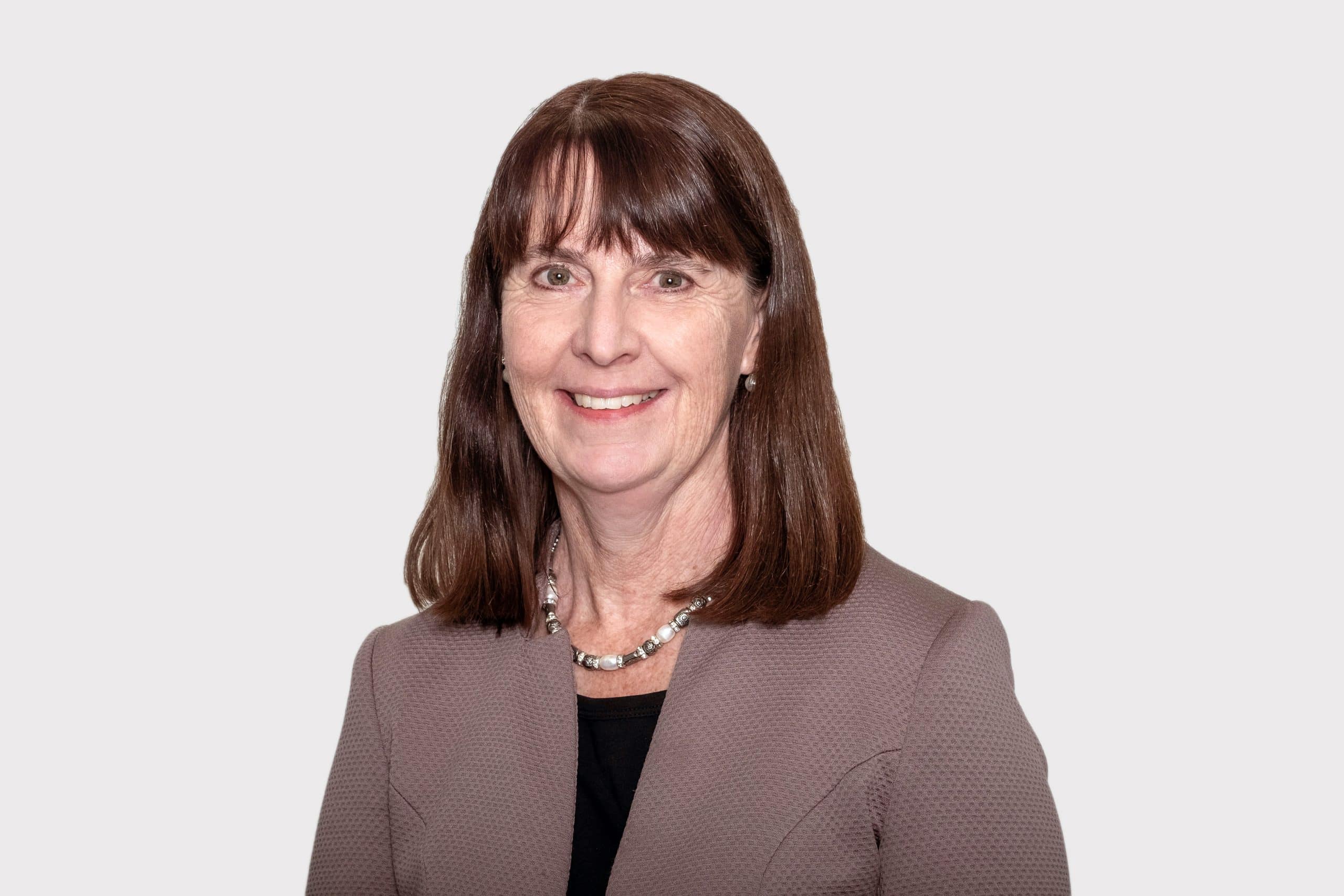
With the world becoming increasingly global the advantages of being bilingual are numerous; from increased cognitive ability and communication skills to improved empathy, perspective and a deepening of human connections. Janet Meister, Chief Quality Office from the SIS Group answers a few questions about bilingualism.
What are the key ingredients for a successful bilingual programme?
Four conditions have been identified by experts which SIS have encompassed:
- An early start
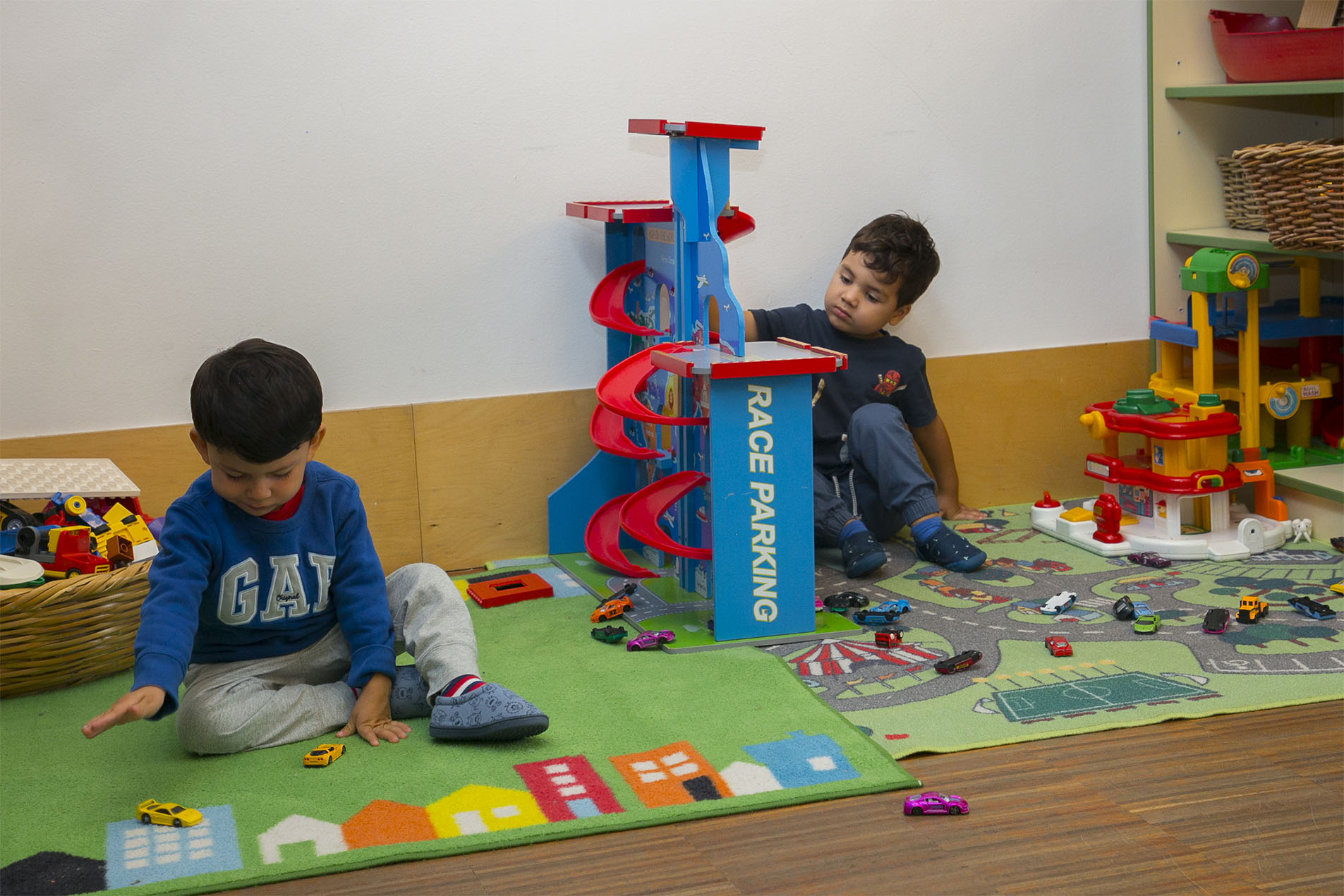
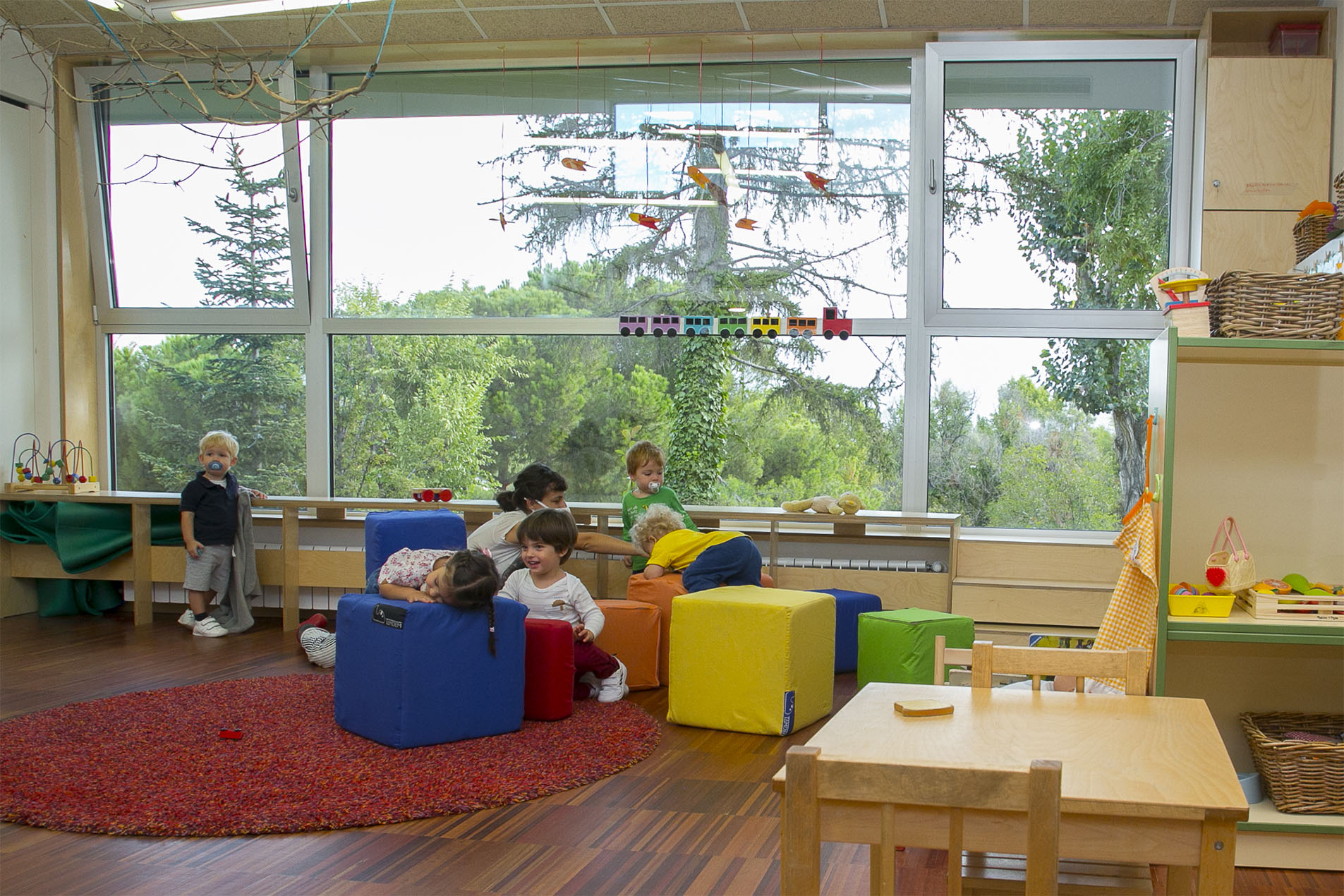
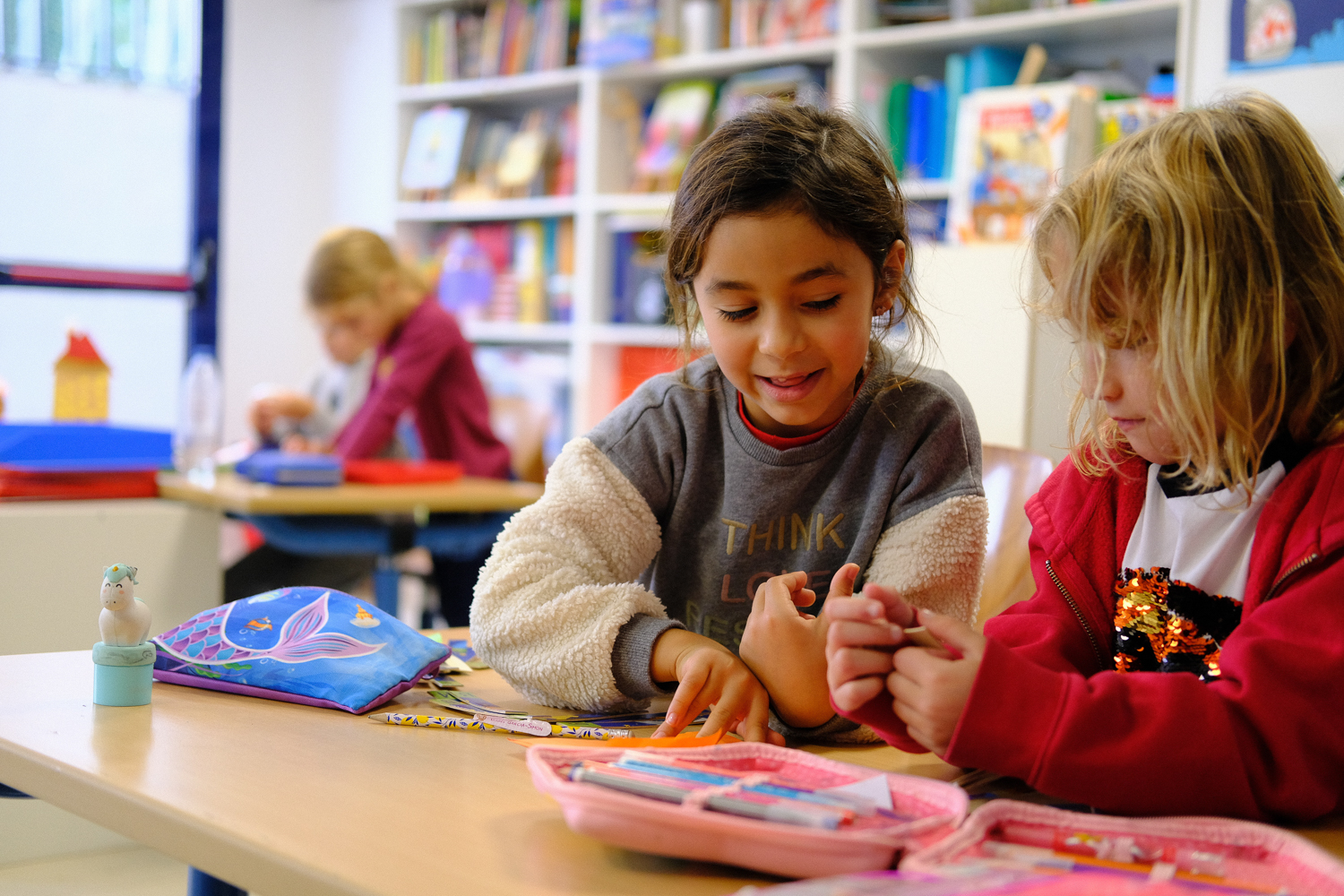
Our bilingual programme starts in kindergarten where learning happens implicitly through interaction—without needing formal grammar instruction. Young children’s brains are primed to absorb sounds, grammar, and vocabulary which they do very naturally. By starting early, children tend to achieve stronger fluency and more natural pronunciation in both languages.
- Continuous and intensive exposure to the second language
By immersing students in a second language, it not only allows them to learn the language, but to internalise it, use it naturally, and apply it across academic and social contexts. Learning is sped up and confidence grows quickly. That is why SIS gives equal time (50/50) to each language in full or half day blocks to allow in-depth immersion.
- Frequent use of the second language in diverse and motivating contexts
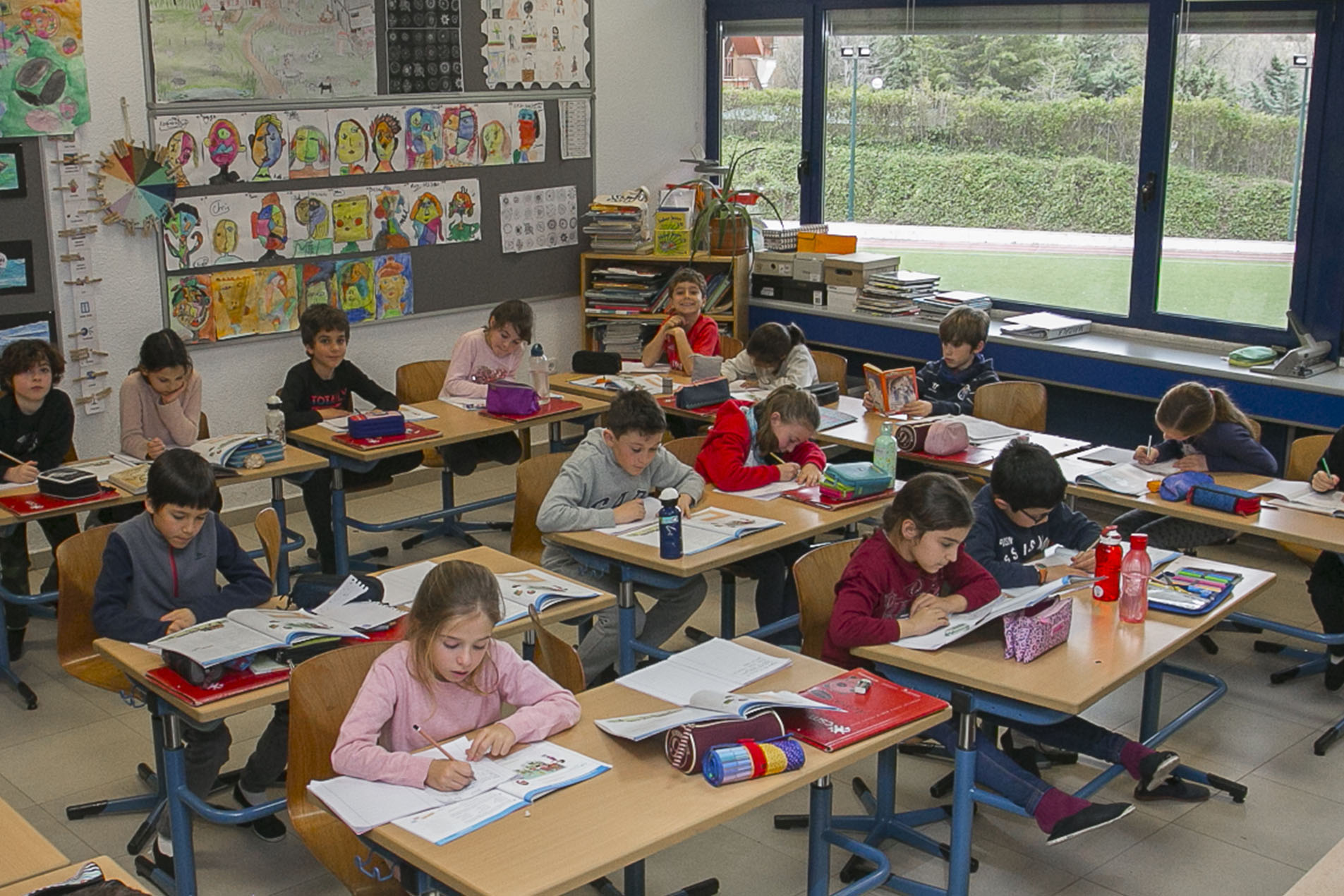
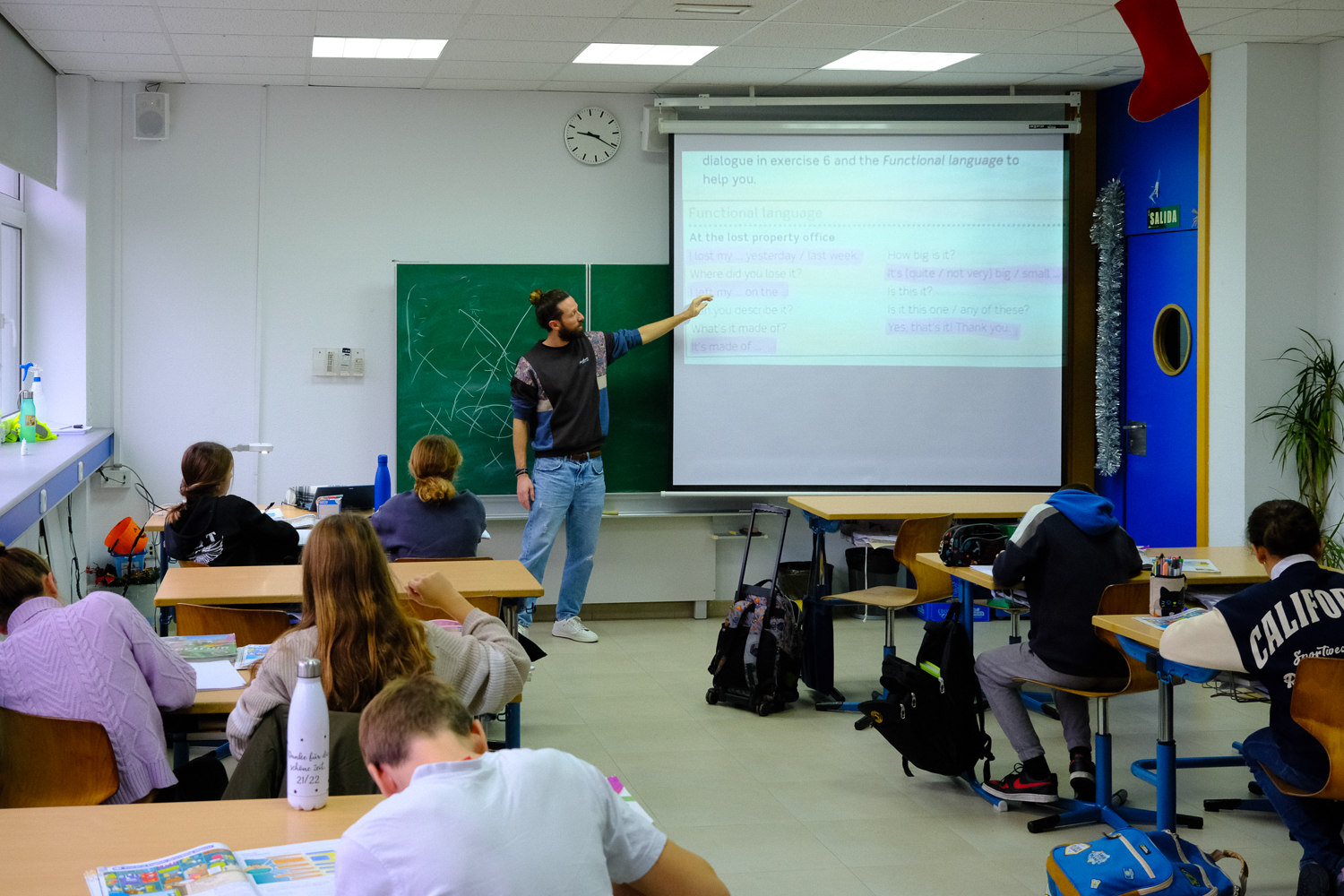
SIS teachers use authentic contexts whenever possible and reach students through many diverse and engaging experiences in their classrooms. Experiences go beyond the classroom too with such as class trips, clubs, camps, visiting experts and celebrations which all give the students a chance to engage in the language.
- Authentic and enriched input provided by teachers with at least almost native-like skills in the second language
Whenever possible, teachers at SIS are all native speakers of their language or at native-like fluency. They take into consideration such things as keeping their classroom routines predictable, extensive use of body language and visual aids, explicit teacher modelling and constant checking for comprehension. Key to our success is our “One person, one language” approach which ensure students say immersed in the language.
How long does it take for children to start using the second language?
When children are immersed in another language their confidence builds over time. In the first one or two weeks they simply get used to the language. After about six weeks they can understand enough to follow daily routines. After about three months they start speaking more frequently and after one year most children will be speaking in full simple sentences.
Will a child’s native language regress when they start learning a new language?
The answer is no. Bilingual programmes have shown to have no detrimental effect on the child’s native language: Instead, they have been found to enhance learning in both languages and to also have positive effects on cognitive abilities such as concentration, divergent thinking and creativity.
Should parents start speaking the second language at home to help their child learn?
Students learn a second language best when their native language also develops in an age-appropriate way, so parents are always encouraged to speak their native language at home.
Con el mundo volviéndose cada vez más global, las ventajas de ser bilingüe son numerosas: desde una mayor capacidad cognitiva y habilidades de comunicación, hasta una mejor empatía, perspectiva y un fortalecimiento de las conexiones humanas. Janet Meister, Directora de Calidad del SIS Group, responde algunas preguntas sobre el bilingüismo.
¿Cuáles son los ingredientes clave para un programa bilingüe exitoso?
Los expertos han identificado cuatro condiciones que SIS ha incorporado:
- Un inicio temprano
Nuestro programa bilingüe comienza en la educación infantil, donde el aprendizaje ocurre de manera implícita a través de la interacción, sin necesidad de una instrucción formal de gramática. El cerebro de los niños pequeños está preparado para absorber sonidos, gramática y vocabulario de forma muy natural. Al comenzar temprano, los niños suelen alcanzar una mayor fluidez y una pronunciación más natural en ambos idiomas. - Exposición continua e intensiva al segundo idioma
Al sumergir a los alumnos en un segundo idioma, no solo se les permite aprenderlo, sino también interiorizarlo, usarlo de manera natural y aplicarlo en contextos académicos y sociales. El aprendizaje se acelera y la confianza crece rápidamente. Por eso SIS da el mismo tiempo (50/50) a cada idioma, en bloques completos o medio días, para permitir una inmersión profunda. - Uso frecuente del segundo idioma en contextos diversos y motivadores
Los profesores de SIS utilizan contextos auténticos siempre que es posible y llegan a los alumnos a través de experiencias variadas y atractivas en el aula. Las experiencias también van más allá de las clases, como excursiones, clubes, campamentos, visitas de expertos y celebraciones, que brindan oportunidades para interactuar en el idioma. - Input auténtico y enriquecido proporcionado por docentes con un nivel al menos casi nativo en el segundo idioma
Siempre que es posible, los profesores en SIS son hablantes nativos de su idioma o tienen un nivel de fluidez similar al nativo. Toman en cuenta aspectos como mantener rutinas de aula predecibles, el uso extensivo del lenguaje corporal y apoyos visuales, la demostración explícita por parte del profesor y una comprobación constante de la comprensión. La clave de nuestro éxito es nuestro enfoque “Una persona, un idioma”, que garantiza que los alumnos permanezcan inmersos en el idioma.
¿Cuánto tiempo tardan los niños en comenzar a usar el segundo idioma?
Cuando los niños están inmersos en otro idioma, su confianza crece con el tiempo. En el primer par de semanas simplemente se acostumbran al idioma. Después de unas seis semanas pueden comprender lo suficiente para seguir las rutinas diarias. Tras unos tres meses comienzan a hablar con más frecuencia y después de un año la mayoría de los niños hablará con oraciones simples completas.
¿Retrocederá el idioma nativo de un niño cuando comience a aprender un nuevo idioma?
La respuesta es no. Se ha demostrado que los programas bilingües no tienen efectos negativos en el idioma nativo del niño; por el contrario, se ha encontrado que mejoran el aprendizaje en ambos idiomas y tienen efectos positivos en habilidades cognitivas como la concentración, el pensamiento divergente y la creatividad.
¿Deberían los padres comenzar a hablar el segundo idioma en casa para ayudar a su hijo a aprender?
Los alumnos aprenden mejor un segundo idioma cuando su idioma nativo también se desarrolla de manera adecuada para su edad, por lo que siempre se anima a los padres a hablar su lengua materna en casa.